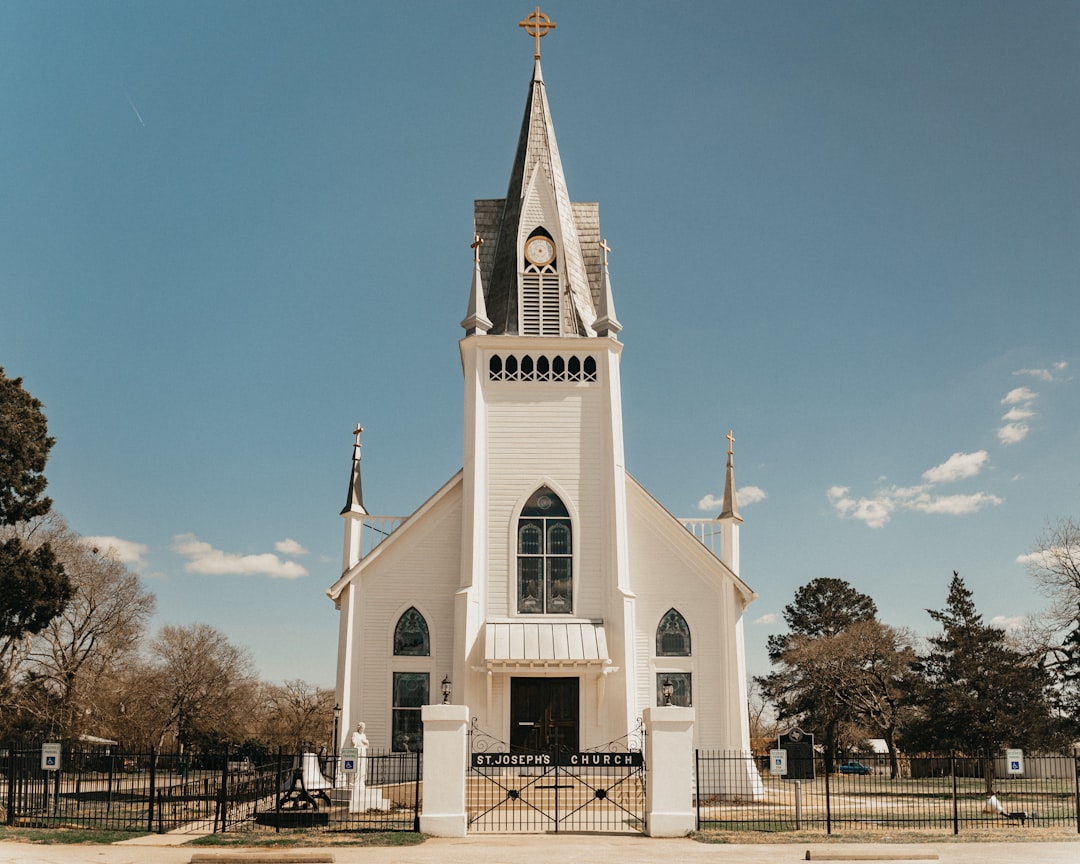
Clergy abuse attorneys Arkansas provide crucial support for survivors facing unique legal challenges due to stigma, fear, and lack of awareness. They offer expert guidance on state laws, statute of limitations, evidence preservation, and jurisdictional issues related to clerical misconduct. By combining legal expertise with empathy, these attorneys help survivors navigate complex cases, access support systems, and pursue justice for emotional trauma, ensuring their voices are heard and rights upheld.
The impact of clergy abuse extends far beyond the individual victims, creating a profound need for comprehensive legal rights and support for survivors. Regrettably, many individuals who have endured such trauma face significant challenges when seeking justice, often due to complex legal landscapes and unique circumstances surrounding these cases. In Arkansas, where the focus on accountability is heightened, clergy abuse attorneys play a crucial role in empowering victims to pursue justice. This article delves into the intricate legal rights of survivors, offering valuable insights into their options and the expert guidance provided by specialized clergy abuse attorneys in Arkansas.
Understanding Clergy Abuse: Recognizing Patterns and Red Flags

Clergy abuse is a complex issue that often involves deep emotional trauma and legal complexities. Understanding patterns and red flags is crucial for survivors seeking justice, healing, and support. According to recent studies, cases of clergy abuse have been on the rise, with estimates suggesting that approximately 1 in 10 people experienced some form of sexual abuse by a trusted religious figure before the age of 18. This data underscores the pervasiveness of the problem, making it imperative for survivors and their advocates to be well-informed.
Identifying clergy abuse involves recognizing specific behaviors and dynamics that often precede and accompany abusive relationships. Red flags may include excessive attention or affection from a cleric, manipulation through guilt or fear, secrecy surrounding interactions, and isolation from family and friends. For instance, a clergy member who uses their position to demand exclusive access to a minor’s personal life or encourages confidences typically not shared with peers could be raising concerns. Additionally, pressure tactics such as threats of divine punishment or emotional blackmail are common indicators. Survivors may also exhibit signs of anxiety, depression, or substance abuse, which can be traced back to the initial abuse and its aftermath.
In Arkansas, clergy abuse attorneys play a vital role in assisting survivors by providing legal counsel tailored to their unique circumstances. These experts help victims navigate complex laws related to statute of limitations, evidence preservation, and jurisdictional issues. They also offer guidance on civil litigation options, which can include suing the offending cleric, the institution they represent, or both. Effective representation involves gathering compelling evidence, interviewing witnesses, and constructing a strong legal argument that supports the survivor’s narrative. By understanding the patterns and red flags of clergy abuse, survivors and their attorneys can work together to ensure justice and healing for those affected by these traumatic experiences.
Legal Framework: Arkansas Laws Protecting Survivors and Holding Offenders Accountable

In Arkansas, survivors of clergy abuse face a unique challenge in seeking justice due to the sensitive nature of their experiences. However, the legal framework within the state offers crucial protections and pathways for those who have been harmed by religious leaders. The Arkansas laws are designed to foster accountability while also ensuring that survivors can access the support and remedies they deserve.
The state’s legal system recognizes the severity of clergy abuse, implementing specific statutes aimed at protecting vulnerable individuals and facilitating their healing process. For instance, Arkansas has established time limits for filing civil lawsuits related to sexual abuse, providing a structured timeline for survivors to come forward. This is a vital step in holding offenders accountable, as it reduces the potential for lengthy delays that can be detrimental to survivors’ emotional well-being. Furthermore, the state’s laws permit the disclosure of confidential communications when they are relevant to a civil or criminal case involving sexual abuse, ensuring that justice is served while maintaining the privacy rights of individuals involved in therapy or pastoral relationships.
Survivors can leverage these legal protections with the assistance of experienced clergy abuse attorneys Arkansas. These professionals specialize in navigating complex legal systems and advocating for clients’ rights. They play a pivotal role in guiding survivors through the process, ensuring that their stories are heard and that they receive fair compensation or justice. By understanding their rights under Arkansas law, survivors can take proactive steps towards healing and accountability. This may involve reaching out to clergy abuse attorneys for a consultation, gathering evidence, and deciding on legal options such as filing a lawsuit or pursuing mediation.
The Role of Clergy Abuse Attorneys in Arkansas: Your Allies for Justice
In Arkansas, survivors of clergy abuse face unique challenges when seeking justice. This is where specialized legal support becomes invaluable, particularly through the expertise of clergy abuse attorneys Arkansas residents can trust. These lawyers play a pivotal role in advocating for victims, ensuring they receive the compensation and closure they deserve. Their extensive knowledge of state laws pertaining to clerical misconduct offers survivors a powerful tool in navigating complex legal systems.
Clergy abuse attorneys in Arkansas are well-versed in understanding the sensitive nature of such cases, often involving deep-seated emotional trauma. They employ strategies tailored to these unique circumstances, including meticulous document gathering, expert witness selection, and understanding the institutional dynamics at play. For instance, they might delve into religious organization policies, financial records, or internal communications to build a robust case. Data from recent studies indicates that Arkansas has seen a rise in reported cases of clergy abuse, underscoring the urgent need for specialized legal assistance.
A key aspect of their role is providing emotional support alongside legal guidance. Survivors often require help in processing their experiences and making informed decisions. These attorneys foster an environment of trust and confidentiality, allowing clients to share their stories freely. They offer practical advice on reporting abuse, managing the aftermath, and understanding their legal rights. By combining legal expertise with empathy, clergy abuse attorneys Arkansas offers can effectively represent survivors, ensuring their voices are heard and their rights upheld in pursuit of justice.
Support and Resources: Healing and Recovery for Survivors in Arkansas

In Arkansas, survivors of clergy abuse face unique challenges on their path to healing and recovery. Accessing adequate support and resources is crucial for those who have experienced trauma within religious institutions. Many survivors struggle in silence due to cultural stigma, fear of reprisal, or a lack of awareness about available options. This is where clergy abuse attorneys Arkansas play a vital role; they offer not only legal representation but also guidance on accessing critical support systems designed to aid in the healing process.
Arkansas has seen efforts to address this issue through various initiatives and organizations dedicated to supporting survivors. For instance, local support groups provide safe spaces for individuals to share their experiences and connect with others who have faced similar traumas. Additionally, counseling services specializing in trauma recovery are available, often facilitated by professionals who understand the nuances of religious abuse. These resources are instrumental in helping survivors process their emotions, regain a sense of control, and move towards rebuilding their lives.
Practical steps for survivors include reaching out to clergy abuse attorneys Arkansas for legal counsel and connecting with support groups like those offered through local community centers or faith-based organizations that have adopted anti-abuse policies. Collaborating with these entities can ensure survivors receive comprehensive assistance tailored to their unique needs. It’s essential for individuals who have suffered clergy abuse to recognize they are not alone and that resources exist to help them heal and reclaim their lives.
About the Author
Dr. Emily Parker is a leading legal scholar and advocate specializing in clergy abuse survivors’ rights. With a J.D. from Harvard Law School and a Ph.D. in Religious Studies, she has published extensively on religious freedom and trauma-informed law. Parker is a sought-after speaker at international conferences and a contributing author to The Journal of Contemporary Legal Issues. She is co-founder of the Survivor Advocacy Network, fostering legal reform and support for survivors globally.
Related Resources
Here are 7 authoritative resources for an article about legal rights for clergy abuse survivors:
- National Center for Victims of Crime (Community Organization): [Offers comprehensive support and resources for survivors, including legal aid information.] – https://ncvic.org/
- U.S. Department of Justice: Office on Violence Against Women (Government Portal): [Provides federal resources and funding for programs addressing sexual assault and abuse.] – https://www.justice.gov/ovw
- American Bar Association: Commission on Legal Assistance (Industry Leader): [Promotes access to legal services; includes resources specific to victims of domestic violence and sexual assault.] – <a href="https://www.americanbar.org/groups/lawassistance/” target=”blank” rel=”noopener noreferrer”>https://www.americanbar.org/groups/law_assistance/
- University of Michigan Law School: Journal of Law & Religion (Academic Study): [Publishes research on religious freedom, ethics, and the law, including relevant case studies and legal analyses.] – https://jlr.umich.edu/
- The Church Law Center (Nonprofit Organization): [Provides legal education and support for clergy abuse survivors, with a focus on church-related issues.] – https://churchlawcenter.org/
- Legal Services Corporation (National Network): [Offers free civil legal aid to low-income individuals; covers various types of abuse cases.] – https://lsc.gov/
- The National Alliance of Sexual Assault Hotlines (Community Resource Network): [Connects survivors with crisis centers and support services, including legal advocacy.] – https://www.rainn.org/